Learning how to be unbothered by others is one of the most powerful skills you can develop. In today’s fast-paced world, people constantly face criticism, negativity, and unexpected behavior. But here’s the truth—your peace doesn’t depend on others; it depends on how you respond.
Have you ever noticed how one comment can ruin your entire day? It feels automatic, like you have no control. But science tells a different story. Emotional reactions—especially anger—only last about 90 seconds in your body unless you keep replaying them in your mind.
That means the real problem isn’t what others do—it’s the story we keep telling ourselves afterward.
This article will guide you through practical and powerful mindset shifts to help you stay calm, confident, and emotionally free—no matter what others say or do.
The Science Behind Emotional Reactions

The 90-Second Rule Explained
When something triggers you—like a rude comment or criticism—your body releases stress hormones such as cortisol and adrenaline. This creates that intense emotional surge.
But here’s the surprising part:
👉 That chemical reaction only lasts 90 seconds.
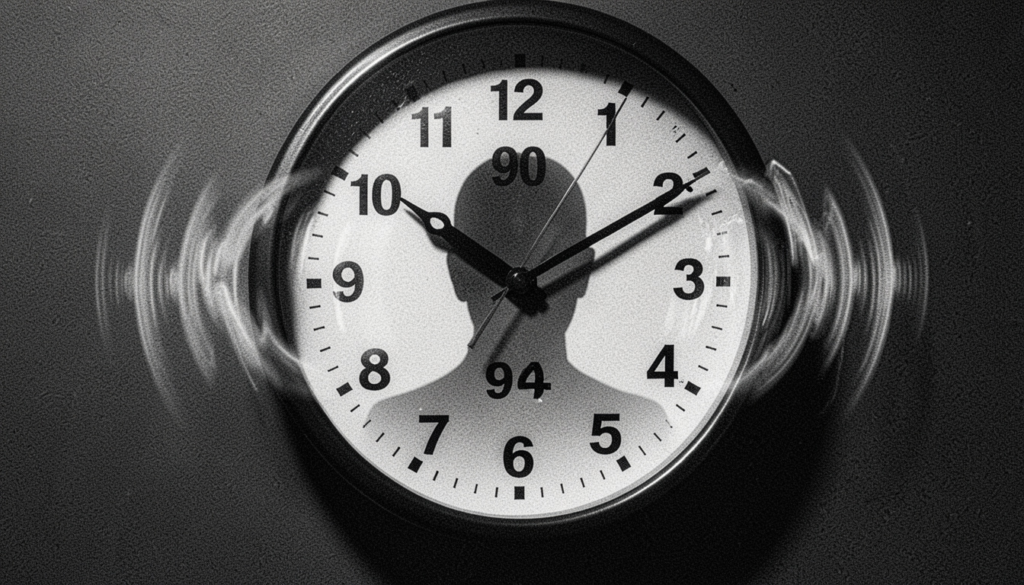
After that, any continued anger or frustration is fueled by your thoughts—not the event itself.
Think of it like a smoke alarm going off when you burn toast. You can:
- Open a window and let it clear
- Or keep making more toast and keep the alarm ringing
Most people unknowingly choose the second option.
Why We Stay Angry Longer

We replay the situation:
- “Why did they say that?”
- “I should have responded differently.”
- “They always do this!”
This mental loop keeps the emotion alive for minutes—or even hours.
The key takeaway?
👉 You’re not controlled by your emotions—you’re extending them.
The Button Pusher Myth
Why No One Controls Your Emotions
We often say, “They pushed my buttons.”
But here’s the truth:
👉 No one can push buttons you don’t have.
Your reactions come from:
- Past experiences
- Unhealed emotional wounds
- Personal values
When someone triggers you, they’re not controlling you—they’re revealing something within you.
Identifying Emotional Triggers
For example:
- A sarcastic coworker might remind you of past criticism
- A dismissive tone might trigger feelings of rejection
Instead of reacting, ask:
👉 “What is this really about?”
This simple question shifts you from reaction to awareness.
Understanding Hidden Emotions
Anger as a Secondary Emotion
Anger is rarely the real emotion.
It’s often a mask for:
- Hurt
- Fear
- Shame
Think of anger as a security guard—it shows up to protect something deeper.
Vulnerability vs Reaction
Example:
- Angry response: “You never care about me!”
- Honest response: “I felt hurt and overlooked.”
The second response creates connection.
The first creates conflict.
👉 When you address the real emotion, healing begins.
The Power of the Choice Point
Responding vs Reacting
Between every trigger and response, there’s a tiny space.
In that space lies your power.
Instead of reacting instantly, pause and ask:
👉 “What response will I be proud of tomorrow?”
Building Emotional Awareness
This pause helps you:
- Think clearly
- Avoid regret
- Stay in control
Emotionally strong people aren’t different—they just use this pause effectively.
The Observer Self Technique
Detaching from Emotions
Imagine watching your emotions like weather:
- “I notice anger rising”
- “I feel irritation”
You’re observing—not becoming—the emotion.
Practicing Mindful Awareness
This technique creates distance between you and your reaction.
Instead of:
❌ “I’m angry”
Say:
✅ “I’m experiencing anger”
That small shift changes everything.
Reframing Difficult People
Turning Triggers into Teachers
What if difficult people are actually helping you grow?
- A critical boss builds resilience
- A rude person teaches patience
Emotional Growth Through Conflict
Instead of thinking:
❌ “Why is this happening to me?”
Try:
✅ “What is this teaching me?”
Now you’re growing—not suffering.
Setting Healthy Boundaries
Protecting Your Energy
Boundaries aren’t walls—they’re filters.
You decide:
- What you accept
- What you reject
Assertive Communication
Example:
- “I understand you’re upset, but I won’t engage in yelling.”
This is calm, clear, and powerful.
The Timeout Strategy
When to Step Away
Sometimes the best response is no response—temporarily.
Taking a break:
- Prevents emotional damage
- Allows clarity
Resetting Emotional Balance
A simple pause can save relationships and protect your peace.
Mapping Your Triggers
Identifying Patterns
Your triggers follow patterns.
Notice:
- Who triggers you
- What they say
- How you feel
Creating a Trigger Journal
Write it down for a week.
You’ll start seeing clear emotional patterns.
Compassionate Distance

Caring Without Absorbing
You can care about someone without taking on their emotions.
Avoiding Emotional Burnout
Support others—but don’t lose yourself.
Mastering Your Inner Narrative
Rewriting Your Story
Your thoughts shape your emotions.
Same situation, different story = different outcome.
Changing Perspective
Instead of:
❌ “They hate me”
Try:
✅ “They might be stressed”
Your peace depends on your interpretation.
FAQs
1. Is it really possible to be completely unbothered?
Yes, but it takes practice. You won’t eliminate emotions—you’ll learn to manage them.
2. Why do I get triggered so easily?
Triggers often come from past experiences or unmet emotional needs.
3. How long does it take to master emotional control?
With daily practice, noticeable changes can happen within weeks.
4. Does ignoring people make me unbothered?
No. Being unbothered means staying calm—not avoiding situations.
5. Can meditation help with this?
Yes, it strengthens awareness and emotional control.
6. What’s the fastest way to calm down?
Focus on your breath and wait out the 90-second emotional wave.
Mastering how to be unbothered by others isn’t about becoming cold or emotionless—it’s about becoming emotionally intelligent and self-aware.
When you:
- Understand your triggers
- Control your reactions
- Shift your mindset
You take back your power.
Imagine living a life where:
- No comment ruins your day
- No person controls your mood
- Your peace stays intact
That version of you isn’t far away—it’s built through small, consistent choices every day.